 North Port Mobile Home Leveling
Vapor Barrier and Underbelly Repair in North Port
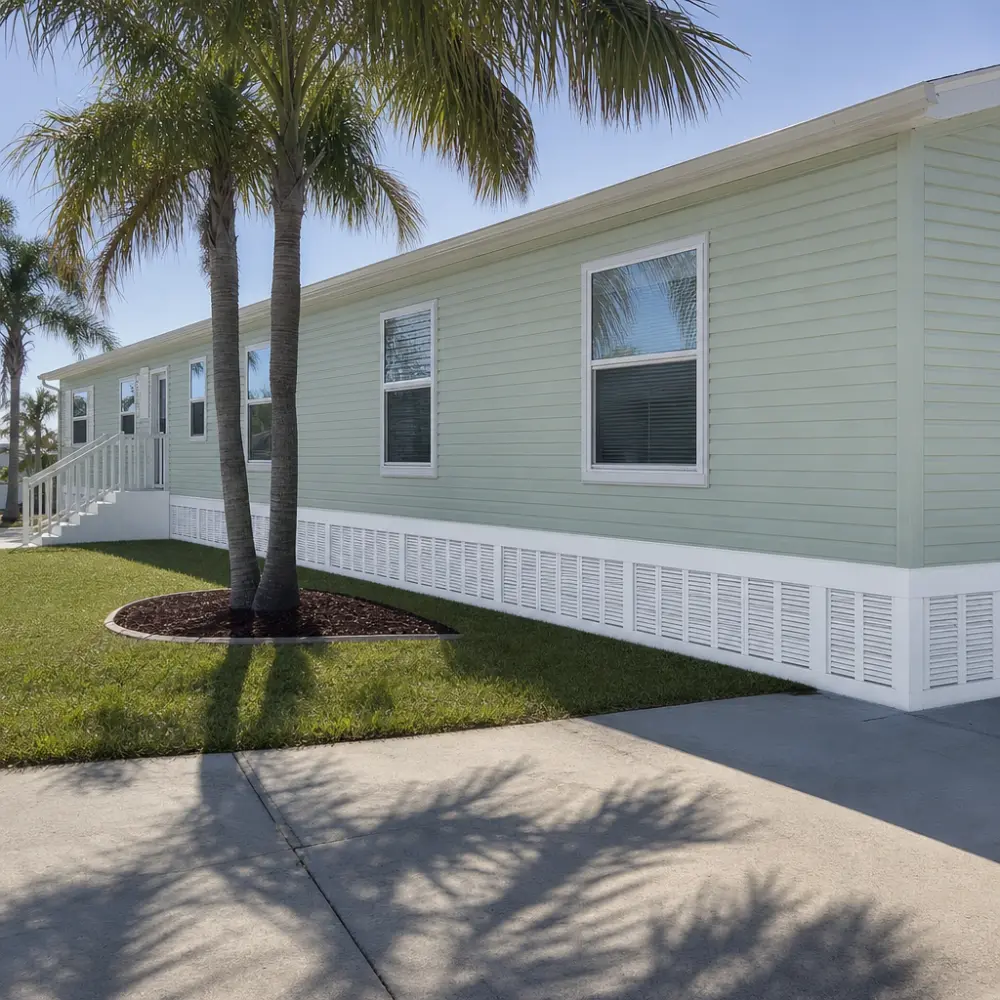
There are two layers under most mobile homes that keep the floor dry. One is the underbelly: a sheet sealed across the bottom of the floor framing that holds the insulation and ductwork in place. The other is the vapor barrier: plastic sheeting laid on the soil to slow moisture coming up from the ground. When the underbelly tears, insulation can fall out and the floor above can turn cold or soft. When the ground cover is missing or bunched up, damp air can rise into the crawl space. We repair both, and we look at both whenever we are under a home. Patches typically run $300 to $800, and a full underbelly replacement runs from about $1,200 on a singlewide to about $4,500 on a doublewide.
Why moisture is the issue in North Port
The soils across the City are poorly and very poorly drained flatwood sands: EauGallie, Myakka, Holopaw and Pineda. For part of the year the water table can be within 6 to 18 inches of the surface, and low spots pond. Rain on that ground does not drain quickly. Ian put roughly 13 to 21 inches of rain on North Port gauges in 2022, and the City lists the Myakkahatchee Creek, the Myakka River and the canals as its flood-prone areas, with past rains flooding Sumter Boulevard and streets in North Port Estates. Ground that wet can keep the crawl space under a home damp for a long time.
What we look for
- Torn, sagging or hanging bottom board, often near the access door or under plumbing
- Insulation lying on the ground
- Ground cover missing, torn or pushed into a pile
- Ducts or pipes sweating or dripping
- Standing water or a wet low spot under one end
- Signs that animals have been nesting in the insulation
How we repair it
Underbelly patches. We cut back to sound material, put back or replace the insulation that fell out, and seal a new patch over the opening with fasteners and tape made for the job. Small tears around plumbing are usually patch work.
Full underbelly. When the bottom board is failing along most of the home, patching piece by piece can cost more than starting over. We remove the old sheet, check the floor framing and insulation, then hang and seal a new one.
Ground cover. We lay new sheeting with overlapped seams, tucked around the piers. If water is pooling, we say so before we put anything down, because a sheet over a low wet spot only hides it.
Pair it with other work
A sensible time to fix the underbelly is while we are already under the home. If you need a relevel or pier and pad repair, ask us to look at the underbelly in the same visit. After a storm, a post-hurricane inspection covers it too. If your floor feels soft, read floor soft or bouncy first, since the cause can be the pier, the floor or the moisture.
Ask whoever does the work for their FLHSMV mobile home installer licence number and look it up. Every typical range is on the pricing page.
Frequently Asked Questions
What is the difference between the vapor barrier and the underbelly?
The underbelly, sometimes called the bottom board, is the sheet sealed across the bottom of the floor that holds the insulation and ducts up against it. The vapor barrier, where a home has one, is plastic sheeting laid on the ground under the home. They do different jobs, and either one can tear or sag. We look at both and repair whichever needs it.
What does it typically cost?
Patch repairs typically run $300 to $800. Replacing the whole underbelly runs from about $1,200 on a singlewide up to about $4,500 on a doublewide. The quote depends on how much of it we find torn, sagging or wet.
Should the barrier go down before or after a relevel?
After, or as part of the same visit. Releveling means jacks, cribbing and people moving around under the home, which can tear a fresh sheet. If both jobs are needed, we do the piers first and the barrier last.
Water sits under my home after rain. Will a new barrier fix that?
No. A barrier keeps ground moisture away from the floor; it does not drain a low spot. On North Port's poorly drained sand, if water ponds under the home, that needs dealing with first, or the new sheet will be lying in a puddle.